
Qualified TIG welders for your company
TIG welders for high-quality seams on stainless steel, aluminium and thin-walled parts.
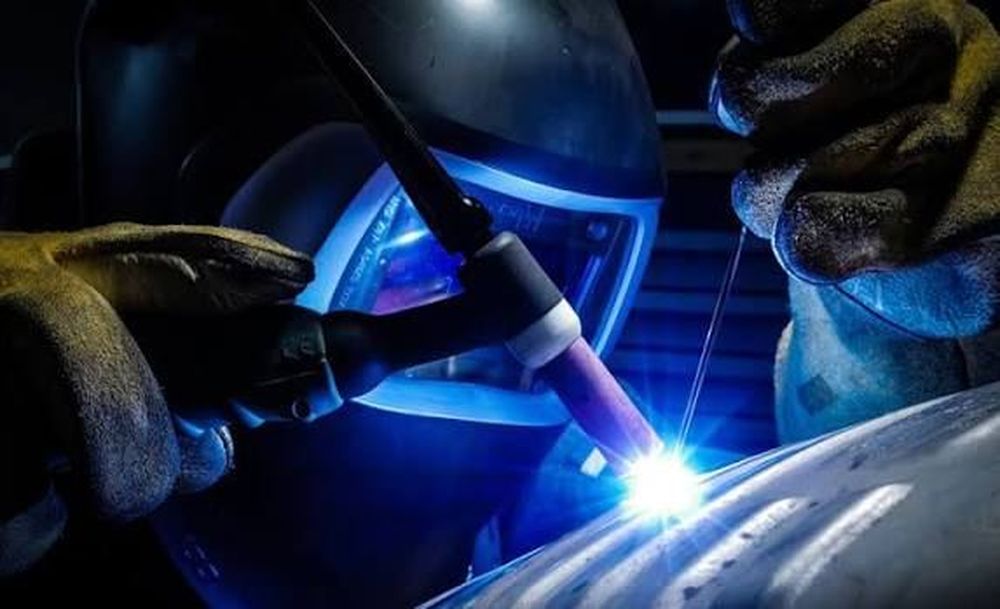
The TIG process (141) is the first choice when seam quality, thin materials and appearance decide whether a component succeeds. We provide industrial companies with TIG welders tested and prepared for exactly these demanding joints.
What specialists we provide
TIG welders for precise seams on stainless steel, aluminium and thin-walled parts — for manufacturing, plant and apparatus construction, and anywhere visible seams and tight, inspected joints are required.
Qualifications, processes and materials
- TIG (process 141), including thin sheet and root passes
- Stainless steel, aluminium and other special materials
- Back-purging to avoid heat tint on the seam's reverse side
- Visible and hygienic seams, and inspectable joints
Industries and use cases
We deploy TIG welders where precision comes before speed — typically in these areas:
- Plant, apparatus and vessel construction
- Food, pharmaceutical and process engineering
- Pipework with high tightness requirements
- Manufacture of visible stainless-steel and aluminium assemblies
Testing and our own welding school
Before deployment we assess practical TIG skills on real tasks. Through our own welding school we prepare specialists specifically for your materials and requirements, rather than passing on untested profiles.
How the cooperation works
- 1
Send your requirement
You describe the profession, headcount, location and timeframe — by phone or through the form.
- 2
Selection & testing
We select suitable specialists and verify practical skills and, where required, certificates.
- 3
Deployment & support
Specialists start with you in a coordinated way; a dedicated contact stays reachable throughout the assignment.
Your advantage
- Less rework thanks to verified seam quality
- Clean, tight joints on demanding materials
- Predictable capacity for deadlines, projects and cover
Frequently asked questions
When is TIG preferable to MIG/MAG?
When seam quality, thin materials or visible seams are the priority, often for stainless steel and aluminium.
Need tested specialists?
Tell us what you need — we'll come back with a concrete proposal.